A finger separator orthosis, also known as a finger separator or interdigital orthosis, is a medical rehabilitation assistive device used for the interphalangeal joints. It typically consists of a base plate, finger separation blocks, and fixation straps. By separating the fingers and holding them in a functional position, it reduces the adverse effects of interphalangeal joint adhesion, stiffness, and muscle spasm. In rehabilitation medicine, the finger separator is commonly used for hand injuries, nerve injuries, and postoperative immobilization.
According to product documentation, the core functions of the finger separator orthosis include:
The finger separator orthosis is mainly intended for the following groups:
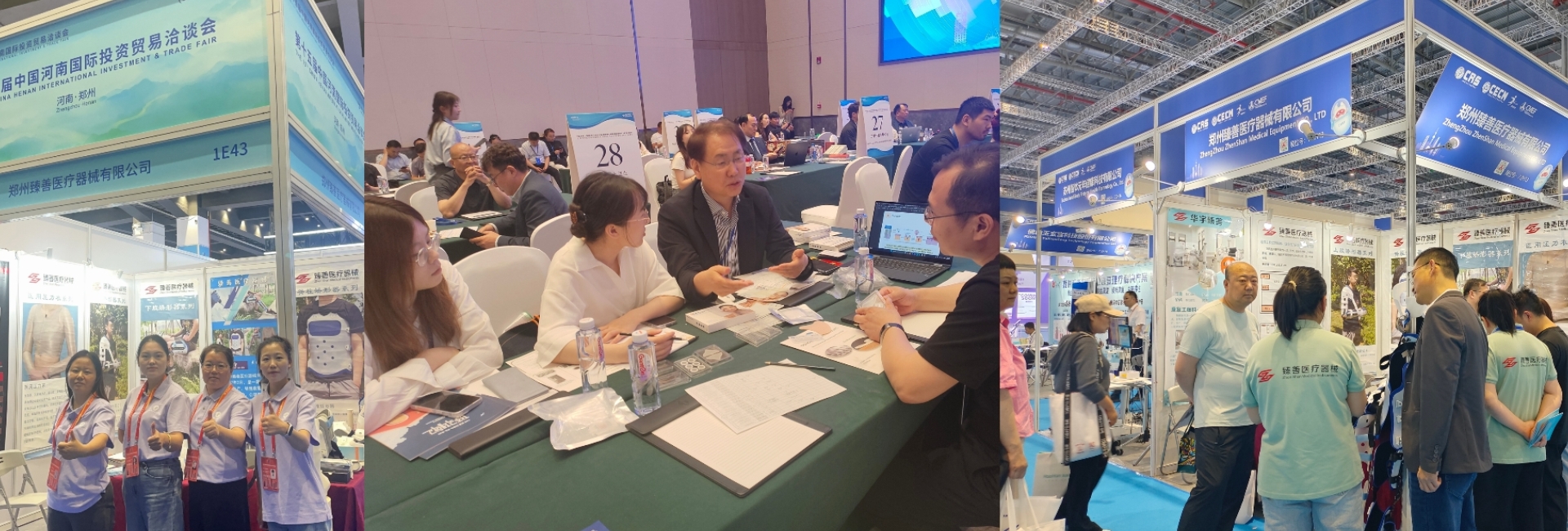
Zhengzhou Zhenshan Medical Devices Co., Ltd. provides services covering the research and development, production, and sales of orthoses, as well as supporting rehabilitation assistive products. Target users include medical device purchasers, rehabilitation institutions, relevant hospital departments, orthosis channel distributors, and overseas procurement customers. The company offers a variety of orthosis products, including finger separators, shoulder-elbow-wrist orthoses, and shoulder abduction orthoses, for rehabilitation immobilization of different body parts.
The finger separator comes into direct contact with the skin, so the material should be soft, skin-friendly, and non-irritating. The product features a hook-and-loop fastener design that can be repeatedly fastened and adjusted for tightness. Breathability is also an important factor during long-term wear; if the material is not breathable, it may cause skin discomfort or sweat accumulation, affecting patient compliance with rehabilitation.
Patients differ in finger thickness and hand size, so the finger separator should be adjustable. According to the product features, this finger separator fits a range of finger sizes, can secure the fingers, palm, and wrist separately, can be worn on either hand, and both surfaces can be used. When purchasing or selecting a product, it is necessary to confirm whether it fits different hand shapes and whether wearing it affects necessary hand activities.
The immobilization effect of the finger separator determines the rehabilitation process. The hook-and-loop design makes it easy to adjust tightness, but if it is too tight it may affect blood circulation, and if it is too loose it may not provide adequate fixation. It is recommended to determine the wearing duration and tightness under the guidance of a rehabilitation physician or therapist to avoid secondary injury caused by self-adjustment.
The wearing time of the finger separator is not simply "the longer, the better." A personalized plan should be developed based on the type of injury, disease stage, and rehabilitation goals. For example, postoperative immobilization for fractures differs from the management of hemiplegic spasticity, and wearing intervals and training plans should be arranged accordingly. Users should have regular follow-up visits, during which professionals assess joint range of motion and muscle tone and adjust or replace the orthosis with a different model in a timely manner.
When selecting a finger separator, consider the following aspects:
The following precautions should be observed when using a finger separator orthosis:
Zhengzhou Zhenshan Medical Devices Co., Ltd. focuses on the research, development, and production of orthosis rehabilitation products, and the finger separator orthosis is one of the items in its product line. For purchasers, rehabilitation institutions, and individual users, it is recommended to choose appropriate models and specifications based on the patient's specific condition and clinical feedback. For further information on the product's intended use, instructions for use, and after-sales service, please contact the company.
The company also provides low-temperature thermoplastic sheets, orthotic insoles, upper limb orthoses, lower limb orthoses, spinal orthoses, lumbar fixators, and other rehabilitation assistive products, as well as medical device-related software systems and disinfection and drying equipment, to meet the diverse needs of the rehabilitation field.
The finger separator orthosis is a relatively common assistive device in hand rehabilitation. A correct understanding of its functions and limitations, combined with use under professional guidance, can help realize its rehabilitation benefits. We will continue to update relevant basic instructions and common questions to help users better understand orthosis products and rehabilitation knowledge.

