Elbow Orthosis Selection Guide: Content for Consultation Conversion
Elbow Orthosis Selection Guide: Define the Use Scenario First
Before selecting an elbow orthosis, it is important to clarify the intended use scenario. Different injury stages and rehabilitation goals have different requirements for orthosis features. For example, ulnar and radial injuries, postoperative elbow immobilization, and shoulder injuries with fractures differ in the required support range and adjustment method. If the user has combined shoulder-elbow-wrist needs, a shoulder-elbow-wrist orthosis with broader coverage may be considered; if the problem is mainly in the elbow joint itself, a lighter and more focused elbow orthosis can be chosen. It is recommended to sort out the user's physical condition, wearing duration, and rehabilitation stage before purchasing, and then compare product functions accordingly.
Core Selection Dimensions: Key Points Based on Product Features
For common elbow orthosis products, the following dimensions require particular attention:
- Angle adjustment capability: Elbow orthoses usually need to restrict or guide joint movement. Some products use angle-adjustable dials or turntable designs, allowing angles to be freely adjusted between 0 and 120 degrees. This design can adapt to the needs of different rehabilitation stages. When selecting, confirm whether the adjustment is flexible and the locking is reliable to avoid accidental displacement during wear.
- Size fit and fixation method: The orthosis must fit the user's arm snugly; too loose and it may slip, too tight and it may affect blood circulation. A common approach is to adjust tightness with hook-and-loop straps according to the user's arm circumference. When selecting, confirm whether the product offers enough sizes (e.g., XS, S, M, L, XL) and whether the hook-and-loop fasteners are firm and durable.
- Material and breathability: Long-term wearing of an orthosis may make the skin stuffy and sweaty. Products made of PE polymer materials usually have good heat resistance, cold resistance, and chemical stability. Combined with a breathable inner liner, they can improve wearing comfort. When selecting, check whether the liner is removable and easy to clean.
- Overall support structure: If the injury involves the shoulder or upper arm, an orthosis with a shoulder fixation strap or adjustable extension rod may be needed; if it is only a local elbow problem, the support structure should be as lightweight as possible to avoid affecting other joint movements. Some products also include an elbow adjustment kit, enabling multi-directional adjustment of the elbow range of motion, which is suitable for gradually increasing mobility during rehabilitation training.
- Ease of wearing: The orthosis needs to be put on and taken off every day. Especially for users with a long recovery period, simple operation and the ability to wear it independently are very important. Shoulder straps help patients wear and secure the orthosis, and hook-and-loop designs also simplify the process. It is recommended to try it in person or watch an operation demonstration during selection.
Common Concerns: These Points Are Worth Confirming with the Manufacturer
During procurement and consultation, customers often ask the following questions. Understanding them in advance can help improve communication efficiency:
- Does it support customization or adjustment? Patients vary widely in arm circumference and joint range of motion. Some orthoses can be heat-molded or locally adjusted to fit individual needs. If purchasing in bulk, confirm whether the manufacturer offers customization services.
- How to clean and disinfect? The orthosis comes into direct contact with the skin, so routine cleaning and disinfection are necessary. Confirm whether the material can withstand disinfectant wiping, whether the liner can be removed and washed, and whether disinfection drying equipment is suitable.
- Wearing period and precautions? Wearing periods vary greatly depending on the injury and should be integrated with the rehabilitation plan. Manufacturers usually indicate recommended wearing time in the manual, but the specific program should be developed by a professional physician or rehabilitation therapist.
- Specifications and delivery time for bulk orders? Channel distributors and medical institutions usually need multiple sizes and quantities. It is advisable to confirm inventory, minimum order quantity, and production lead time with the manufacturer in advance.
- After-sales and technical support? Component wear or adjustment failure may occur during use. Understanding the manufacturer's after-sales policy and technical support approach is important.
Suggested Selection Process: From Defining Needs to Consultation and Comparison
For purchasers and rehabilitation institutions, a clear selection process helps avoid blind decision-making:
- Step 1: Organize the user group, injury type, expected functions, and budget range to form an initial requirement list.
- Step 2: Review the manufacturer's product materials and filter out functionally matching product models, focusing on specifications, materials, and adjustment range.
- Step 3: Contact the manufacturer or distributor to consult in detail on product details, applicable scope, and clinical feedback. Request samples or trials when necessary.
- Step 4: Compare the cost-performance, delivery time, and after-sales service of different products, and decide based on the institution's actual operations.
About Consultation and Selection: Actual Needs Take Priority
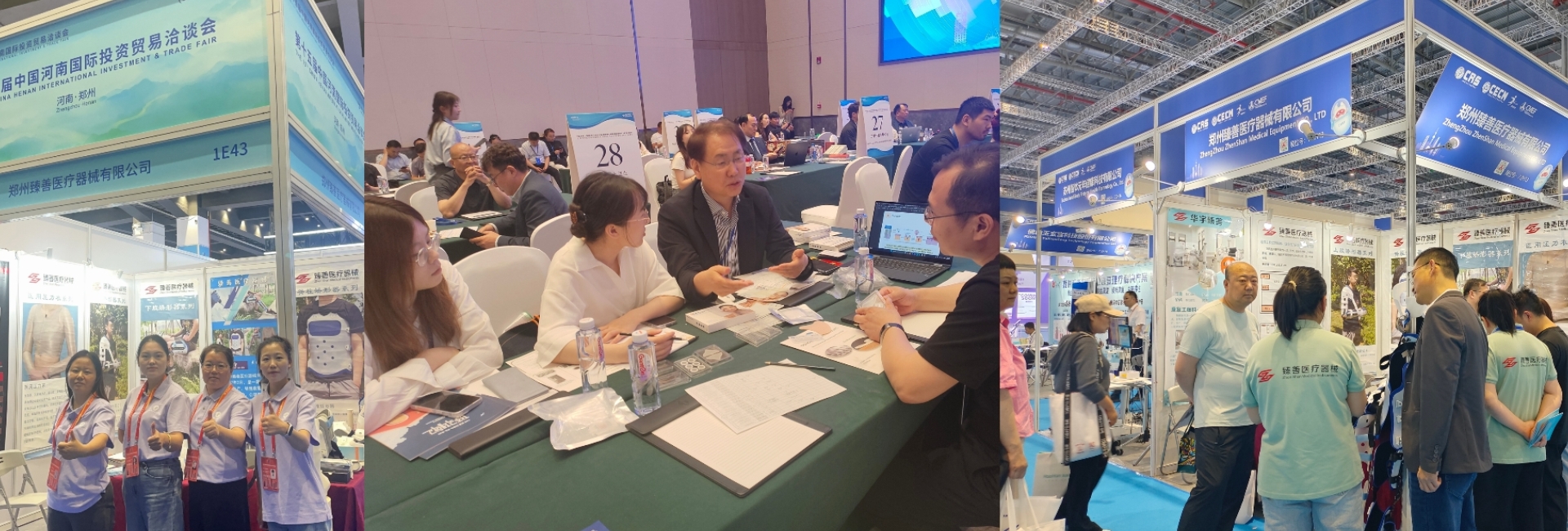
It should be emphasized that the above content is general selection guidance and does not constitute a treatment plan. The specific applicability of each elbow orthosis should be determined by referring to the product manual and following the advice of professional medical personnel. Zhengzhou Zhenshan Medical Devices Co., Ltd.'s product series includes shoulder-elbow-wrist orthoses, shoulder abduction orthoses, and other rehabilitation assistive products. Specific specifications and functional parameters may change with product updates. It is recommended to request the latest materials from the manufacturer during selection and conduct detailed consultation based on the actual use scenario.
If your institution is evaluating an elbow orthosis procurement plan, or has questions about angle adjustment, material selection, bulk procurement, or other details, you are welcome to contact our product consultants directly. We will provide explanations and suggestions that are closer to your actual situation based on your specific needs.