Lower limb orthoses are a category of rehabilitation assistive devices used to support, immobilize, or adjust the joints and bony structures of the lower limbs. Common products include ankle-foot orthoses, knee-ankle-foot orthoses, and knee orthoses. In rehabilitation settings, the main functions of lower limb orthoses include helping maintain joint alignment, limiting inappropriate movement, sharing local load, and providing a relatively stable mechanical environment during post-operative or conservative treatment.
It should be noted that an orthosis itself is not a substitute for treatment but rather part of a rehabilitation plan. The specific type of orthosis, duration of wear, and angle adjustments should be evaluated by a rehabilitation physician or orthotist based on the patient's actual condition. Because patients differ in injury type, recovery stage, and activity level, the fitting plan for the orthosis will also vary.
In a standard lower limb orthosis rehabilitation case, several basic steps are usually involved: first clinical assessment, including range of motion, muscle strength, gait, and activities of daily living; then casting or size measurement, as the orthosis needs to conform to the limb contour; then trial fitting and adjustment to ensure there is no excessive pressure or friction pain points after wearing; finally periodic follow-up, with necessary modifications to the orthosis based on rehabilitation progress.
Taking ankle-foot orthosis as an example, this type of product is often used for foot drop, ankle instability, or post-operative immobilization. During fitting, attention should be paid to whether the ankle angle is close to the functional position, whether the sole portion is flat, and whether the strap position affects blood circulation. If persistent reddening or skin breakdown is found during rehabilitation, contact the technician as soon as possible for adjustment.
Regardless of the type of lower limb orthosis, the following issues require long-term attention during wear:
In actual consultations, many people ask "how to choose" a lower limb orthosis. First, it should be made clear that appearance or model number alone should not be the basis; the doctor's diagnosis and rehabilitation goals must be considered. For example, among knee orthoses, some mainly limit extension, while others mainly prevent varus or valgus; their functions are not the same.
Second, consider the breathability, durability, and adjustability of the material. Many lower limb orthoses on the market use thermoplastic materials such as PE and PP. These materials have a certain strength and moldability, but which one is suitable depends on the usage environment and individual allergies.
Finally, it is recommended to choose manufacturers or institutions that can provide technical support and after-sales service. An orthosis is not a one-time purchase that remains unchanged for a long time; subsequent adjustment, repair, and usage guidance directly affect the rehabilitation outcome. Before purchasing, you can ask the manufacturer whether they provide size measurement assistance, wearing training, and after-sales adjustment services.
Many people search for "lower limb orthosis rehabilitation cases" hoping to see specific rehabilitation outcomes for reference. It should be noted that patients differ in injury severity, surgical method, rehabilitation period, and compliance. Others' cases can only help one understand the process, not be directly applied as outcome expectations. A rehabilitation case worth referencing should include complete assessment records, fitting process, and stage goals, rather than simply publicizing "immediate recovery after using a certain product."
During rehabilitation, patience from both the patient and family members is equally important. There may be a foreign body sensation or tightness in the early stage of wearing an orthosis, but that does not mean the rehabilitation has failed. When problems arise, communicating with the technician in a timely manner is safer than adjusting on your own.
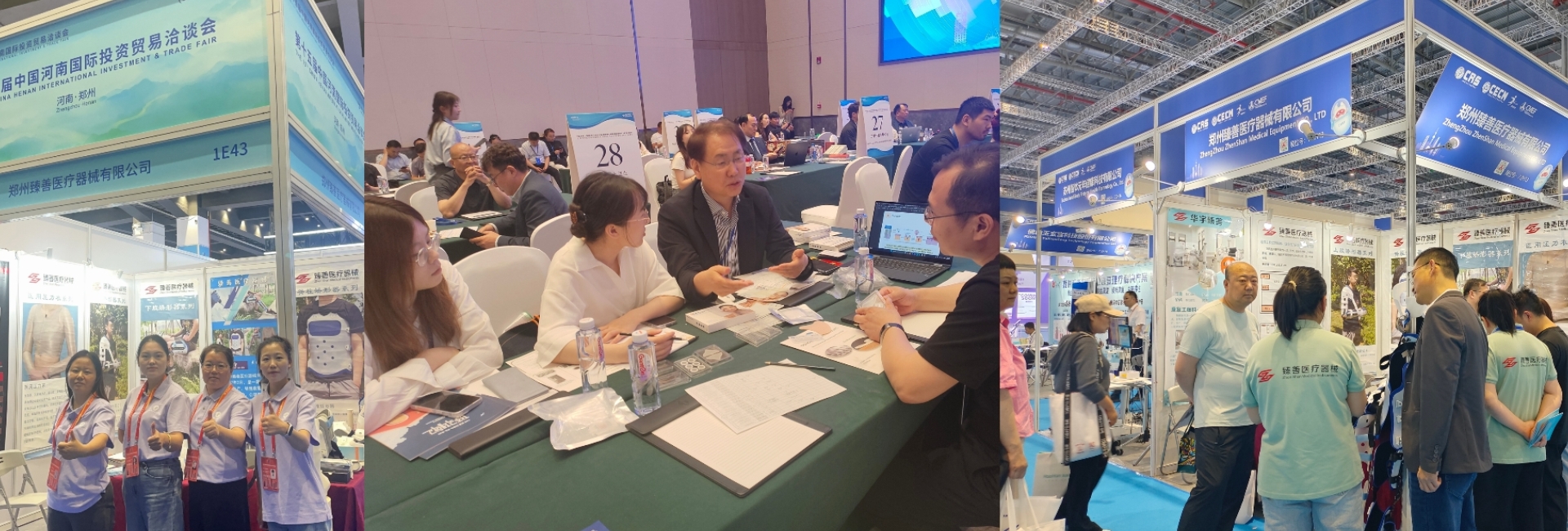
For industry professionals who purchase or recommend lower limb orthoses, in addition to understanding product parameters, more attention should be paid to whether the manufacturer provides technical documentation, fitting tools, and training support. Taking Zhengzhou Zhenshan Medical Devices Co., Ltd. as an example, its product line includes shoulder-elbow-wrist orthoses, shoulder abduction orthoses, and other products. These immobilization and support devices are designed with attention to angle adjustment, breathable lining, and lightweight construction. Lower limb orthosis products should also follow a similar fitting logic, that is, selected and adjusted according to the user's body shape and rehabilitation needs.
In summary, the core of lower limb orthosis rehabilitation cases is not a "magic product" but a complete process of scientific assessment, appropriate fitting, standardized use, and continuous adjustment. Whether for patients, family members, or purchasers, the starting point should be actual functional needs, without blindly pursuing model numbers or prices, so that the orthosis can truly serve the rehabilitation goal.

