Upper limb orthoses are external devices used to support, immobilize, protect, and assist rehabilitation. They mainly act on the shoulder joint, elbow joint, wrist joint, and the forearm and upper arm. In clinical rehabilitation and daily protection, upper limb orthoses are commonly used for fracture fixation, postoperative support, sports injury protection, and adjunctive treatment of certain chronic diseases. It should be clearly noted that orthoses are medical devices, and their use requires professional evaluation and guidance; they cannot replace formal medical diagnosis and treatment plans.
From the perspective of structure and application area, upper limb orthoses can be roughly divided into the following categories:
Different types of upper limb orthoses have different functional emphases, but overall, they mainly reflect the following points:
When learning about and choosing upper limb orthoses, users usually pay attention to the following aspects:
First clarify whether the purpose of use is fracture fixation, postoperative support, sports protection, or daily assistance. Different products target different injury sites and symptoms. For example, shoulder abduction orthoses are more suitable for shoulder injuries, while elbow brace products are more suitable for elbow protection during sports. Choices should be based on your own situation and avoid blind selection.
The rehabilitation process usually requires staged adjustment of joint angles or tightness. Therefore, orthoses with angle-adjustment dials, adjustable shoulder abduction rods, and bidirectional adjustable pressure straps are more popular. For example, the angle of some shoulder-elbow-wrist orthoses can be adjusted from 0 to 120 degrees, meeting the needs of different rehabilitation stages.
Long-term wearing of an orthosis directly affects patient compliance and rehabilitation outcomes. Fabric breathability, lining softness, edge fit, and the feeling of restraint are all factors to be considered. Higher-quality products usually use PE polymer materials, breathable mesh, and nylon fabrics, offering heat resistance, cold resistance, and lightweight properties.
Details such as hook-and-loop fastener designs, rotary buttons, and quick-release straps directly affect daily convenience. Especially for elderly patients or those with limited mobility after surgery, products that can be put on, taken off, and adjusted independently should be prioritized.
The material of an orthosis determines its support strength, durability, and cleaning method. PE polymer materials are often used to make shells or support rods due to their good chemical stability; linings are mostly made of moisture-absorbing and breathable materials to reduce skin stuffiness and the risk of allergies.
Although upper limb orthoses can provide support and protection, they are not “the longer they are worn, the better.” They should be used in accordance with professional guidance, and the wearing time and fixation angle should be gradually adjusted according to rehabilitation progress. Prolonged improper use may lead to muscle atrophy, joint stiffness, or poor blood circulation. In addition, pay attention to the skin condition during wearing. If persistent redness, worsening pain, or other abnormal conditions occur, stop using the orthosis and consult a physician promptly.
Cleaning and maintenance of orthoses are equally important. Most products can be cleaned by local wiping or hand washing with warm water, but strong corrosive cleaners or high-temperature drying should be avoided to prevent damage to the material structure. Store in a dry and ventilated place, and avoid prolonged sun exposure and deformation from heavy pressure.
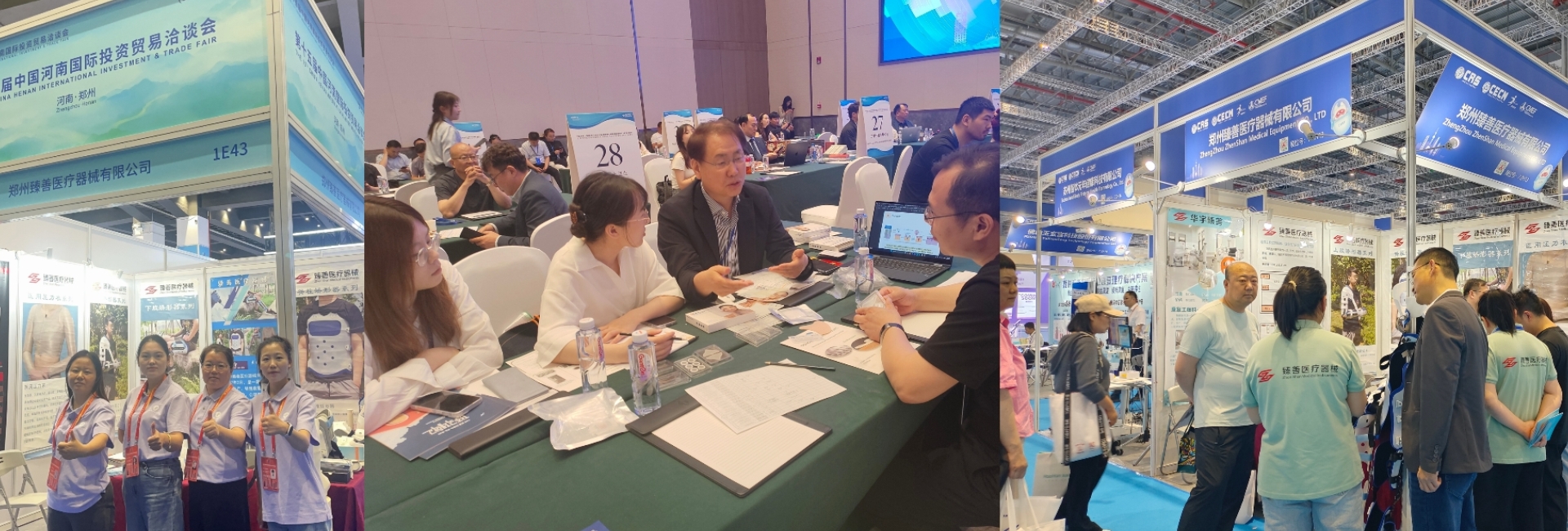
There are many types of upper limb orthoses with different functional emphases. When selecting one, it is not appropriate to simply categorize them as “fixation” or “support.” It is recommended to choose products that fit your body shape, symptom stage, and usage scenario after evaluation by professional medical staff or rehabilitation therapists. Zhengzhou Zhenshan Medical Devices Co., Ltd. covers shoulder-elbow-wrist orthoses, shoulder abduction orthoses, elbow braces, leg guards, and rehabilitation auxiliary products in its product range, providing multiple reference options for medical device purchasers, rehabilitation institutions, and channel distributors. For further information about specific models and fitting, please consult through the official website or customer service channels.

