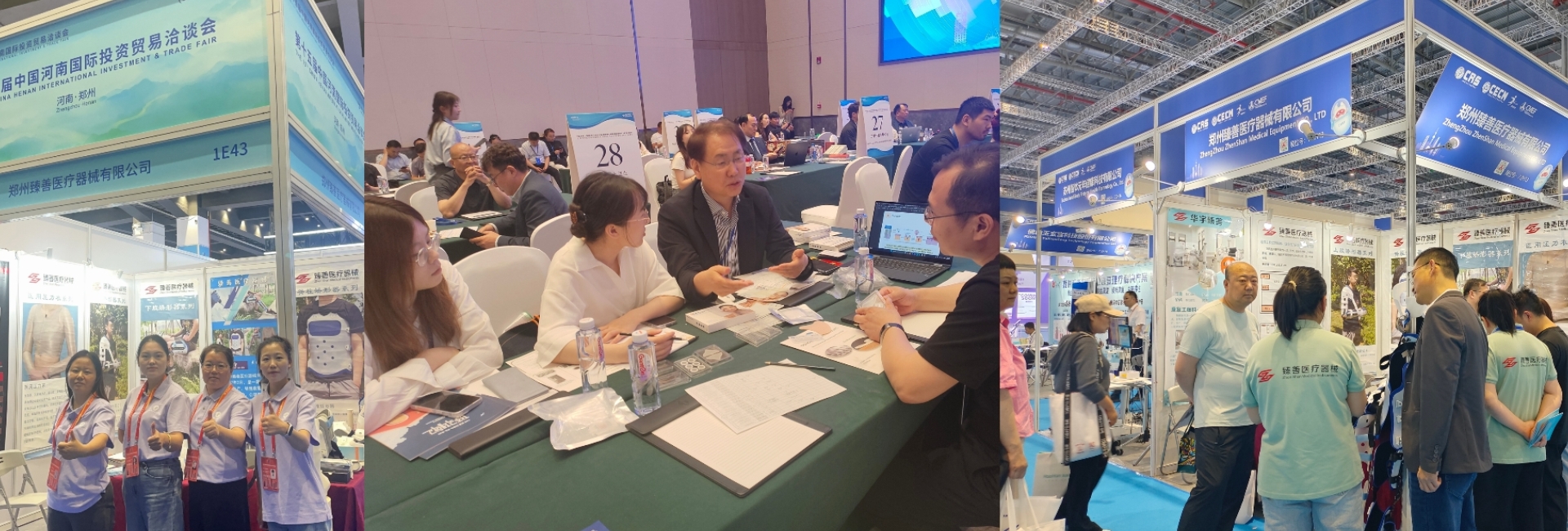
Orthoses are important medical devices that assist rehabilitation and provide fixation and protection. Procurement should not focus only on model numbers and prices. Different patients have different physical conditions, and the degree of fit of an orthosis directly affects its effectiveness and comfort. Whether the purchaser is a hospital, rehabilitation institution, or distribution channel, it is necessary to clarify needs in the early stage and then screen products based on product characteristics. The following content provides a basic explanation of orthosis procurement considerations to help purchasing staff organize the key steps.
First, clarify the target user group and application site of the orthosis. Orthoses for different body parts—such as the upper limb, lower limb, and spine—differ significantly in structural design and fixation methods. Taking a shoulder-elbow-wrist orthosis as an example, it is suitable for ulnar and radial injuries, postoperative elbow conditions, and shoulder injuries and fractures, providing support for the entire upper limb. A shoulder abduction orthosis is mainly used for shoulder joint reduction, humeral fracture fixation, and postoperative fixation after shoulder trauma, and must maintain the shoulder joint in abduction at a specific angle. Before procurement, combine clinical use and the patient's specific condition to determine the required orthosis type, size, and left/right side information.
Orthoses need long-term contact with the skin, so material properties are very important. Common orthosis body materials include PE polymer materials. PE material has good heat resistance, cold resistance, and chemical stability, allowing it to adapt to different usage environments. During procurement, request material documentation from the manufacturer to confirm whether the material provides sufficient structural support, has no odor, and is easy to clean and disinfect. For products that need to be worn for long periods, also pay attention to the breathability of the liner material. For example, products with a breathable liner design can reduce stuffiness and improve wearing comfort.
Different patients differ in body shape, affected limb circumference, and rehabilitation stage, so the adjustability of an orthosis is an important evaluation item during procurement. Taking the shoulder-elbow-wrist orthosis as an example, the product uses a hook-and-loop fastener design that can be adjusted according to the user's arm circumference and fastens securely. There are adjustment buttons on both sides of the rotary disc, and the angle can be adjusted freely between 0° and 120° to meet the angle requirements of different situations. The shoulder abduction orthosis can achieve shoulder abduction angle adjustment and size adjustment through structures such as extension bars and elbow adjustment kits. During procurement, it is recommended to pay attention to the adjustment range, ease of adjustment, stability after fixation, and whether the product can adapt to changes during the rehabilitation stage.
Orthoses often need to be worn and removed daily. If the donning and doffing process is complicated, compliance may decrease. Shoulder strap assist design, hook-and-loop closures, and lightweight structures can all improve the user experience. When selecting products, purchasers should consider the patient's ability to use the device—for example, whether it is convenient for elderly patients to operate with one hand. At the same time, orthoses worn for long periods should not be too heavy, and the design should conform to the body contour as much as possible to avoid localized pressure. The product materials emphasize that the design is “lightweight and breathable” and “fits more closely,” which are common directions for improving long-term wearing comfort.
Orthoses usually come in multiple sizes, such as XS, S, M, L, and XL. Before procurement, understand the body size distribution of the patient population and reasonably configure inventory for different sizes. For institutions making centralized purchases, also communicate with the manufacturer about whether custom sizing or size expansion is supported. In addition, left- and right-side products may need to be distinguished, so inventory management should be clearly labeled to avoid shipping errors.
When procuring orthoses, choose qualified manufacturers with medical device production and operation qualifications. Check the product's medical device filing or registration information to confirm its intended use and contraindications. Also, understand the manufacturer's after-sales service policy, including but not limited to product usage training, quality issue handling, replacement parts, and support for non-standard customization. Before bulk procurement or distributor collaboration, request samples or trial units to evaluate the actual wearing effect.
1. Can orthoses be purchased directly by patients? It is recommended to choose under the guidance of a doctor or rehabilitation therapist to avoid mismatch between model and indication.
2. Is one size universal? No. Patients vary greatly in body size; the size must be selected based on actual measurements.
3. Is a larger angle adjustment range always better? It should be selected according to clinical needs and used within the angle range recommended by the doctor; it is not simply about having the largest range.
4. How should the orthosis be cleaned and maintained? Perform routine cleaning according to the product instructions. Generally, wipe with room-temperature water and a neutral cleanser, and avoid high-temperature baking or prolonged sun exposure.
5. Can long-term wearing cause skin discomfort? Choose products with breathable liners and appropriate opening designs, adjust the tightness as needed, and consult a clinician if necessary.
Orthosis procurement is not simply placing an order and shipping; it is a systematic process involving needs analysis, product evaluation, size configuration, and after-sales support. Purchasers should put clinical needs first and carefully verify product characteristics, indications, material workmanship, and adjustment structures. If you have questions about product details, confirm them through the official website, consultation hotline, or technical documentation. Zhengzhou Zhenshan Medical Devices Co., Ltd. offers a variety of orthosis products. For specific product selection, it is recommended to communicate with the manufacturer's technical staff based on the actual application scenario.

