An elbow orthosis is a type of upper limb orthosis. Its main function is to provide external support and limitation to the elbow joint during the rehabilitation or treatment period. By limiting the joint's range of motion, it reduces the risk of secondary injury caused by improper movements, while helping soft tissues and bones heal in a relatively stable state. In clinical rehabilitation, an elbow orthosis is not intended to replace surgery or treatment, but serves as an assistive device in the overall rehabilitation program.
In terms of product form, this type of orthosis usually includes an upper-arm fixation segment, a forearm fixation segment, and an angle-adjustment structure connecting the two. Some designs also extend to the shoulder or wrist to form an integrated shoulder-elbow-wrist support, providing fixation and protection for larger upper-limb injuries.
Based on relevant materials and general industry conditions, typical application scenarios for elbow orthoses include:
It should be noted that whether an orthosis is needed and which specification to choose must be determined by a physician or rehabilitation therapist based on imaging and physical examination results.
The most common adjustment method for an elbow orthosis is an angle dial or dial-lock structure. According to the materials mentioned, some products can be freely adjusted between 0 and 120 degrees using an adjustment button. The advantage of this design is that a small extension or flexion angle can be locked in during the early stage of rehabilitation, and the range of motion can be gradually increased later without frequent orthosis replacement. If the selected product fixes only a single angle, its practical value will be greatly reduced for patients with a long rehabilitation cycle.
For an orthosis worn against the skin for a long time, good biocompatibility, sweat resistance, and easy cleaning are especially important. Commonly used PE polymer sheets have the advantages of light weight, resistance to heat and cold, and good chemical stability, making them suitable for the main frame of the orthosis. For the inner lining in direct contact with the skin, breathable fabrics should be the first choice. If the lining is not breathable, prolonged wearing can easily cause redness, eczema, and other skin discomforts, reducing rehabilitation compliance. The statement in the materials that 'breathable inner lining, comfortable and non-stuffy' is a common product design aimed at this need.
Users' arm thicknesses vary significantly. Orthoses are usually selected in sizes such as XS, S, M, L, and XL. When choosing a size, actual measurements of the upper arm and forearm circumference should be used as the basis, and the fitting range provided by the manufacturer should also be referenced. It is worth noting that the adjustment capability of the hook-and-loop fastener is also critical. Adhesive straps can be adjusted according to arm thickness, but they should fasten firmly and be easy to put on and take off. If the patient has weak hand strength, whether the buckle is easy to operate should also be considered.
Some elbow injuries require simultaneous fixation of the shoulder or wrist, while others require only local support. Taking the 'shoulder-elbow-wrist orthosis' mentioned in the materials as an example, it provides extensive support to the entire upper limb, while a separate elbow orthosis offers greater flexibility. The purchaser should ask the manufacturer whether expansion and adjustment functions are available, such as a shoulder extension rod, elbow adjustment kit, forearm extension knob, etc., to suit the treatment needs of patients with different body types and disease stages.
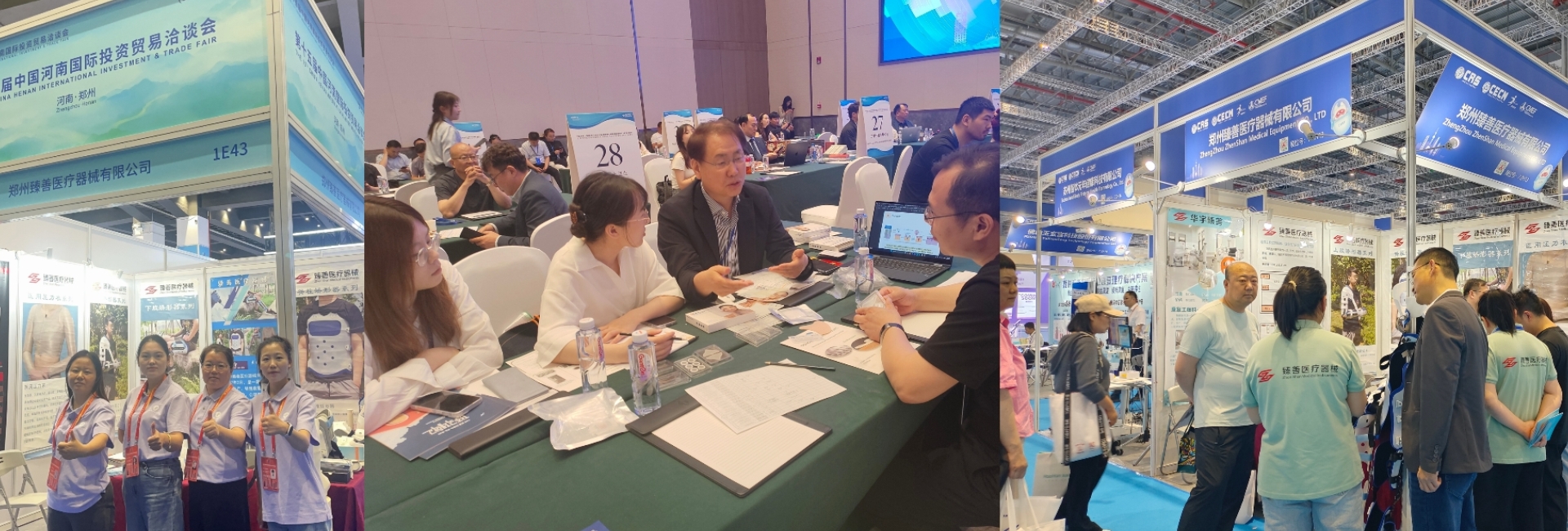
Whether you are a hospital, rehabilitation institution, or distributor, when evaluating an elbow orthosis, beyond reading the product description, it is recommended to directly request from the manufacturer the product specification sheet, wearing instructions, material test reports, and other supporting documents. As a developer and manufacturer of orthosis-related products, 郑州臻善医疗器械有限公司 can provide selection support for upper limb orthoses and other series, but the specific applicability should be based on professional evaluation and the manufacturer's actual product information.

