Lower limb orthosis rehabilitation training usually does not refer to a single type of movement, but rather to a whole process centered on “how to safely and effectively restore activity after wearing an orthosis.” It may include wear adaptation, joint range of motion exercises, muscle strength training, balance and gait training, daily transfer training, and so on. Training goals vary greatly from person to person: some people need to limit abnormal ankle joint movement, some need knee support, and some need assistance with standing or walking. Therefore, training content needs to be determined in combination with assessment results and cannot simply copy someone else's plan.
In terms of product forms, common lower limb orthoses include ankle-foot orthoses, knee orthoses, knee-ankle-foot orthoses, hip-knee-ankle-foot orthoses, etc. There are also foot assistive products such as orthopedic insoles. Some products use low-temperature thermoplastic sheets, making it convenient to perform individualized shaping under the operation of professionals; some products have structures such as hinges, angle-adjustment dials, and hook-and-loop straps, used to adjust angles or secure tightness. Understanding these structures helps with correct use during training, rather than treating the orthosis merely as ordinary protective gear.
The first step in lower limb orthosis rehabilitation training is often to confirm whether the orthosis fits properly. Fitting is not just about “whether it can be put on”; it also includes whether pressure points are reasonable, whether joint alignment is appropriate, whether straps are stable, and whether it shifts during walking.
Lower limb orthosis rehabilitation training emphasizes gradual progression. Training volume, wearing time, and movement difficulty usually need to be increased gradually according to tolerance. If obvious pain, skin breakdown, persistent numbness, or increased swelling occurs, training should be paused and a professional consulted, rather than forcing yourself to continue.
“How to choose” is not only about choosing a product, but also about choosing a training method and a team to work with. Consider the following directions:
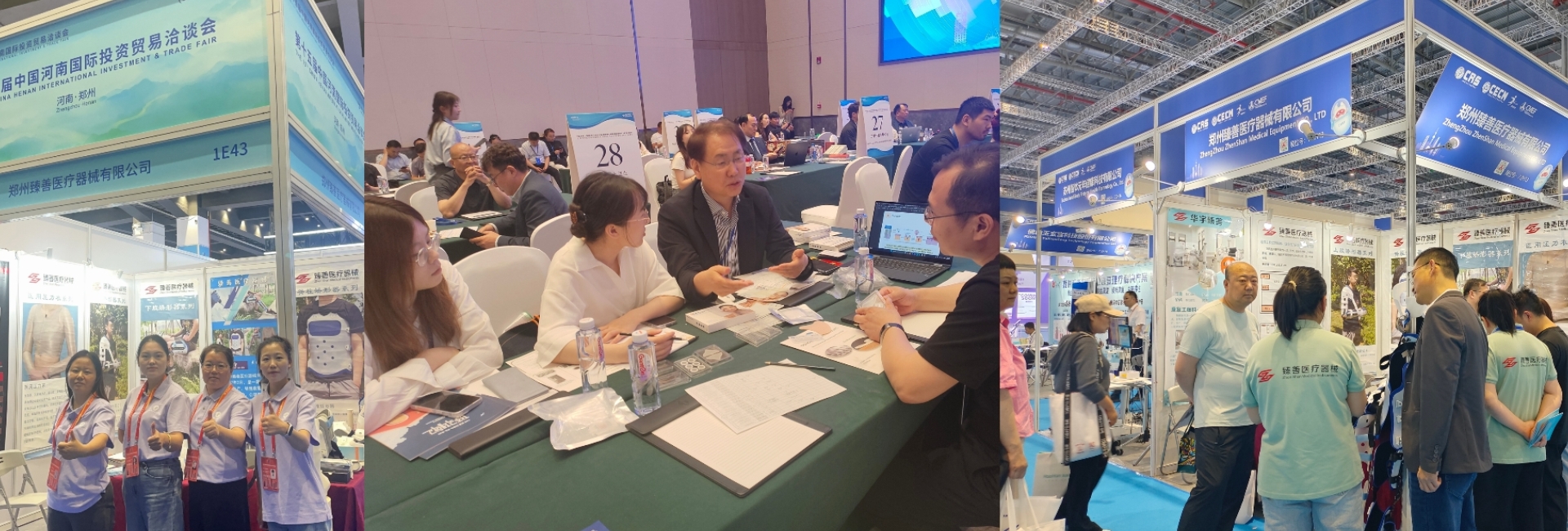
If you are preparing to consult about issues related to lower limb orthosis rehabilitation training, organizing information in advance can help communication. For example: current main problems, whether surgery has been performed, opinions of doctors or rehabilitation therapists, muscle strength and balance status, daily activity environment, previous experience wearing orthoses, whether the skin is sensitive, etc. When consulting manufacturers or service providers, you can focus on asking about the product's applicable directions, adjustment methods, cleaning and maintenance, follow-up adjustments, and training coordination matters. The website of Zhengzhou Zhenshan Medical Devices Co., Ltd. covers directions such as orthosis supplies, rehabilitation assistive products, low-temperature thermoplastic sheets, and orthopedic insoles. Specific products and service capabilities are subject to the actual display on the website and communication.
Lower limb orthosis rehabilitation training often needs to continue for a period of time. Rather than training for a long time at once, it is better to break training into short segments, maintain regularity, and make simple records after each session: wearing duration, training content, skin reactions, walking sensations, etc. Bring these records to professionals during follow-up visits, making it easier to determine whether the orthosis or training plan needs adjustment. The training environment should also be safe: non-slip floor, sufficient space, and nearby objects to hold on to can reduce the risk of accidental falls.
In general, the core of lower limb orthosis rehabilitation training is “fitting, gradual progression, and timely feedback.” An orthosis is an assistive tool, and the training plan needs to be combined with assessment, wearing, and follow-up. Any training plan should be carried out under the guidance of professionals and cannot replace necessary medical diagnosis and treatment.

