Low-temperature thermoplastic sheets are a type of material classified by softening temperature range. They generally soften when heated to a relatively low temperature and set when cooled, and are commonly used in orthosis fabrication and rehabilitation aid processing. In wholesale purchasing, many people start by asking "how much per sheet," but a quote that can actually be matched to a product requires clarifying specifications, volume, and delivery conditions first. Products differ in thickness, sheet dimensions, color, surface texture, transparency, and memory performance after forming. These differences directly correspond to raw material usage and processing techniques, so prices naturally differ. If you only tell a supplier that you need "low-temperature thermoplastic sheets," it is difficult for them to provide figures that can be compared side by side.
Organize this information clearly before sending it out. Suppliers' replies will be more specific, and it will be easier to compare quotes from several suppliers at the same time.
A low unit price does not mean a low total cost; the key is to use the same basis. First, confirm whether the quote is calculated per sheet or per kilogram; second, ask clearly whether tax and freight are included; third, understand the minimum order quantity and the tiered prices for quantities above it; finally, factor in cutting waste and the arrival cycle. It is recommended that suppliers quote under "the same specifications, the same volume, and the same delivery conditions" before making side-by-side comparisons. At the sample stage, you can first run a small-batch trial to confirm the softening feel, forming rebound, cutting, and bonding performance before discussing the pace of long-term supply.
Low-temperature thermoplastic sheets should generally be stored in a cool, dry place, avoiding prolonged exposure to high temperatures and sunlight and deformation from heavy pressure. After opening, store them according to the product instructions, and note that slight color differences may exist between batches. During transport, protect against moisture, bending, and compression. For specific storage temperatures and shelf-life conditions, refer to the product instructions and manufacturer's recommendations.
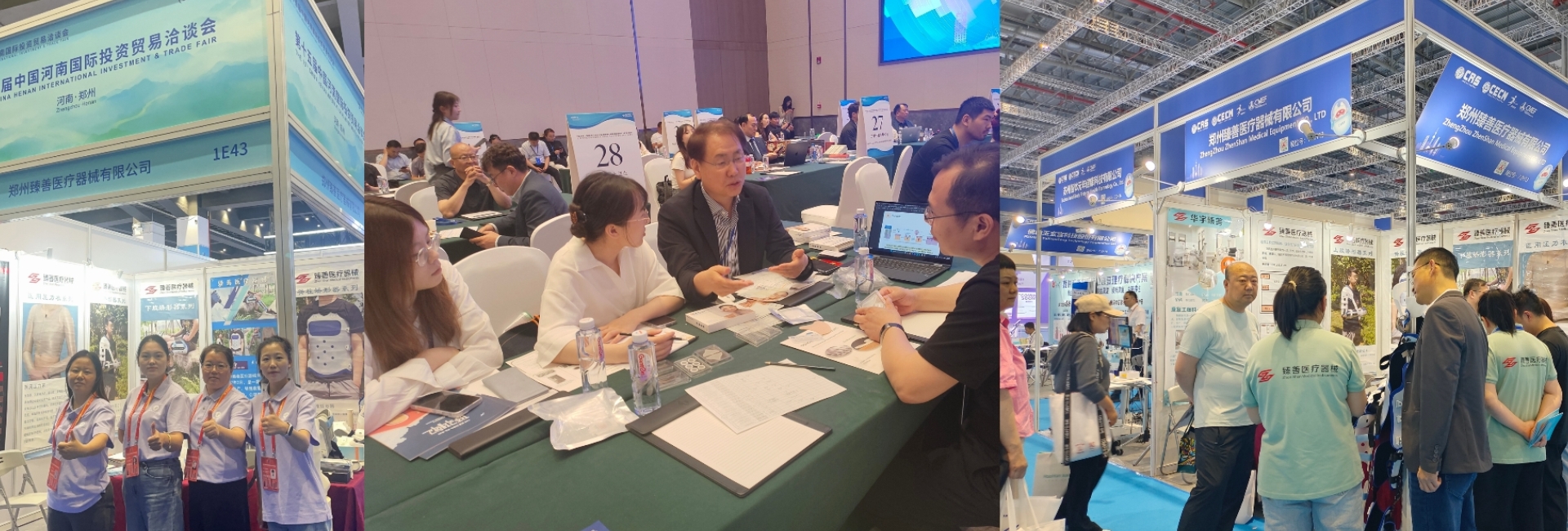
A relatively smooth sequence is: explain the intended use and specifications, confirm whether there is a corresponding product or a cut-to-size specification, confirm samples, confirm the bulk quote and lead time, and finally complete the contract and shipment. Zhengzhou Zhenshan Medical Equipment Co., Ltd. is engaged in the research, development, production, and sales of orthoses and rehabilitation assistive products, and low-temperature thermoplastic sheets are one of its related businesses; the specific available specifications, minimum order quantities, and current quotes are subject to the company's actual confirmation.
If you are comparing wholesale prices for low-temperature thermoplastic sheets, you can organize the checklist above onto one page and send it to two or three suppliers at the same time; comparisons will be much clearer. To learn about specific specifications and quotes, you can inquire further through the contact details on the website.

