
Normal Arch: The footprint shows a moderate connection between the forefoot and heel with a clear inward curve.
Flat Feet (Low Arch): The footprint is almost complete; the arch contacts the ground significantly, leading to easy fatigue.
High Arch: The connection between the forefoot and heel is very narrow; the high arch lacks shock absorption.
The Wet Test: Step on a piece of cardboard with wet feet. A normal arch shows a distinct curve; flat feet leave a complete footprint; high arches show only the heel and ball of the foot.
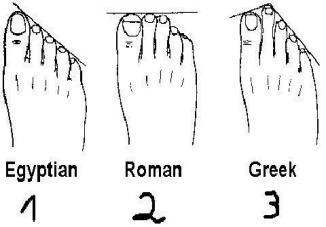
Egyptian Foot: The big toe is the longest, and others taper down. (Approx. 70% of people).
Roman Foot (Square Foot): The first three toes are of similar length, creating a blunt tip.
Greek Foot: The second toe is the longest.
Standard: Balanced ratio of width to length.
Wide Foot: The forefoot is broad; standard shoes often feel restrictive on the sides.
Narrow Foot: The foot is slender; standard shoes may feel loose or slip at the heel.
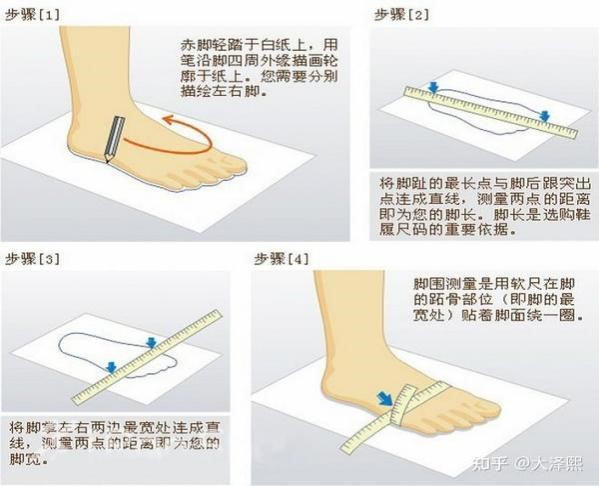
Preparation: Measure in the afternoon or evening (when feet are slightly swollen). Stand naturally on a flat surface with your weight evenly distributed.
Length: Trace your foot on paper. Measure the distance from the tip of your longest toe to the back of your heel.
Width: Measure the horizontal distance across the widest part of your foot (the ball of the foot).
Girth (Optional): Use a measuring tape to circle the widest part of your foot and the highest point of your instep.
Sizing Tip: Add 0.5–1cm of "wiggle room" to your measured length (1–1.5cm for athletic shoes).
| Foot Feature | Recommended Shoe Characteristics | Avoid |
| Flat Feet | Arch support, motion control, firm midsoles. | Flat slippers, thin-soled loafers. |
| High Arch | Extra cushioning, flexible soles, high shock absorption. | Hard-soled or very thin shoes. |
| Egyptian | Slanted round toe, square toe. | Narrow pointed toes. |
| Greek | Pointed toe, almond toe. | Very narrow round toes. |
| Roman | Square toe, wide round toe. | Pointed or narrow shoes. |
The Thumb Rule: There should be about 1cm of space between your longest toe and the end of the shoe.
Width Check: No pinching at the widest part of the foot or the pinky toe.
Arch Support: The arch should feel supported, not "floating" or painfully pressured.
Heel Lockdown: The heel should stay in place while walking without slipping or rubbing.
The Walk Test: Walk for 5-10 minutes. Ensure the shoe flexes where your foot naturally bends.
Sizing Disparity: Most people have one foot larger than the other. Always buy for the larger foot.
Shoe Type: Buy running shoes half a size larger than your dress shoes to account for swelling during exercise.
Material: Genuine leather and mesh stretch over time, whereas synthetic materials do not.
Myth Buster: Shoes should be comfortable immediately. Don't rely on a "break-in period" for shoes that are fundamentally too small.

