A shoulder abduction orthosis is a rehabilitation assistive device that keeps the shoulder joint at a specific abduction angle. Its function is relatively specific: to provide stable support for the shoulder joint, limit inappropriate movement during rehabilitation, and allow the shoulder to rest at a set angle, thereby supporting subsequent rehabilitation training. The shoulder abduction orthosis from Zhengzhou Zhenshan Medical Equipment Co., Ltd. has the model ZS-JWZ2 and is available in S, M, and L sizes. Structurally, this type of product usually consists of an adjustable shoulder extension rod, an elbow adjustment kit, a wrist extension knob, and adjustable straps. The rod length can be adjusted, and the device can also be moderately bent and adjusted according to the user's body shape.
Among the applicable situations listed in the materials, shoulder abduction orthoses are commonly used for shoulder joint reduction, humeral fracture fixation, shoulder joint fracture and dislocation, and post-operative fixation after shoulder trauma. It should be noted that an orthosis is an assistive device. The specific abduction angle, how long to wear it each day, and when to begin relaxation training should all be determined by a doctor or rehabilitation therapist according to the stage of the injury. The product and its instructions cannot replace clinical judgment.
From the user side, people who come into contact with shoulder abduction orthoses can be roughly divided into three groups. The first group is people with shoulder injuries or those who need fixation after surgery; they are more concerned about whether the orthosis stays stable, whether the straps dig in, and whether it feels stuffy during prolonged use. The second group is rehabilitation institutions and relevant hospital departments; they focus on whether sizes are complete, whether the angle and length adjustments are easy to operate, and whether the device can be adjusted to match different rehabilitation stages. The third group is channel distributors and overseas procurement customers; in addition to the product itself, they also look at model coverage, packaging instructions, batch consistency, and whether delivery communication is smooth.
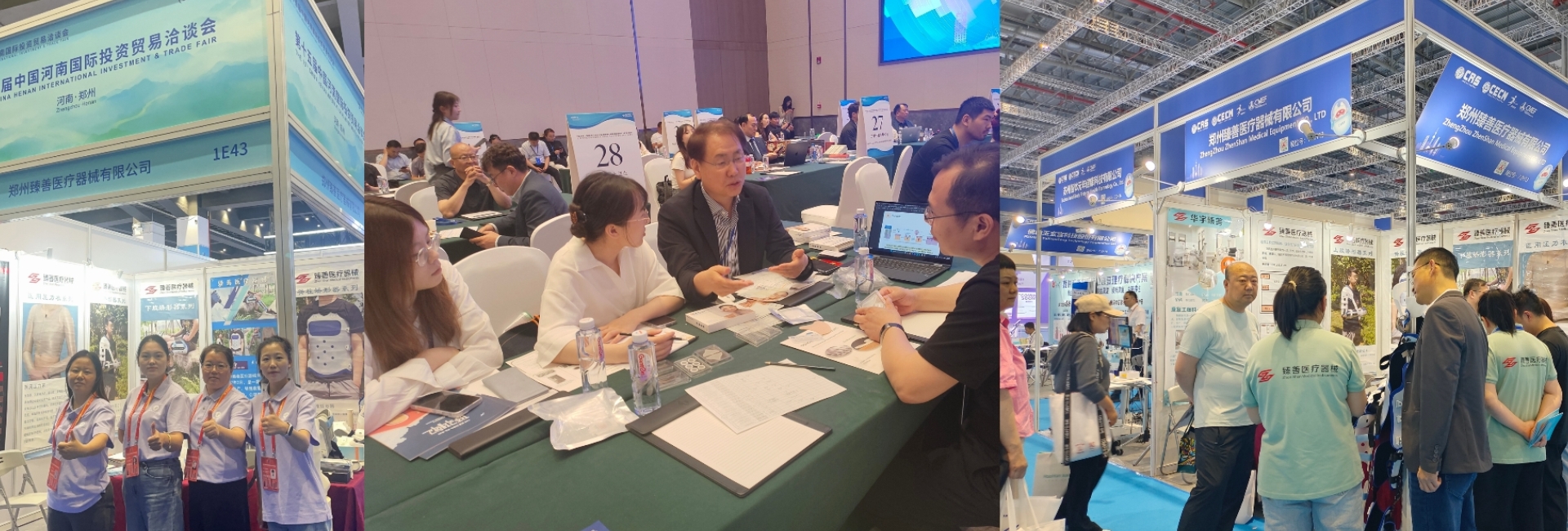
Zhengzhou Zhenshan Medical Equipment Co., Ltd.'s business scope includes the research, development, production, and sales of orthotic supplies, as well as low-temperature thermoplastic sheets, orthopedic insoles, upper limb orthoses, lower limb orthoses, spinal orthoses, lumbar fixation devices, and other rehabilitation assistive products. It also involves medical device-related software systems and storage and disinfection/drying equipment. The specific available models, specifications, and delivery methods are subject to the information actually displayed on the website and confirmed through communication. Before purchasing, clearly stating the user group, injury stage, required angle range, and quantity will make model selection more efficient.
The abduction angle is not better the larger it is, nor is it fixed and unchanging. The materials mention that this type of orthosis helps prevent shoulder joint stiffness and contracture by keeping the shoulder joint abducted at 90° or a specific angle, and that the angle and triangular support can be adjusted according to different rehabilitation stages. In actual use, the angle setting should follow the conclusions of follow-up examinations; the early and later stages of rehabilitation are often different. After each angle adjustment, confirm that the locking structure is fully engaged to prevent gradual slipping during use.
Regarding tightness, the principle for the straps is to fit closely without digging in. If too loose, the orthosis will slide down as a whole and lose its supporting purpose; if too tight, it may affect local blood circulation. During wear, check skin color and finger movement at regular intervals. If blanching, purpling, numbness, or obvious stinging occurs, first loosen the straps and stop using the device, and promptly report this to the doctor or rehabilitation therapist.
The lining and straps can be hand-washed with a neutral detergent as required by the instructions, rinsed with clean water, and dried in a ventilated place in the shade. They should not be exposed to direct sunlight or dried at high temperature, to avoid deformation of the materials and loss of adhesion in the hook-and-loop fasteners. The rods and knobs can be wiped with a damp cloth; do not immerse the entire device in water. When not in use temporarily, loosen the straps, reset the angle, and store the device in a dry, cool place without heavy objects placed on top. When shared by multiple people or used repeatedly by an institution, it should be handled according to routine procedures for device cleaning and disinfection, and the strap adhesion, knob locking, and whether the rods are deformed should be checked.
For model selection, start with three points: whether the size matches the user's body shape, whether the adjustment structure can cover the required angle, and whether the lining is breathable. When requesting a quotation, purchasers are advised to also state whether the use scenario is a hospital department, rehabilitation institution, or home use, whether supporting storage and disinfection/drying equipment is needed, and the required language of the instructions and packaging requirements. Zhengzhou Zhenshan Medical Equipment Co., Ltd. can provide information related to shoulder abduction orthoses and other rehabilitation assistive products. Specific specifications, available quantities, and service content are subject to actual communication. If there are still questions about how to use the product, consult the website customer service together with the enclosed instructions, or ask a doctor or rehabilitation therapist for on-site guidance before use.

